
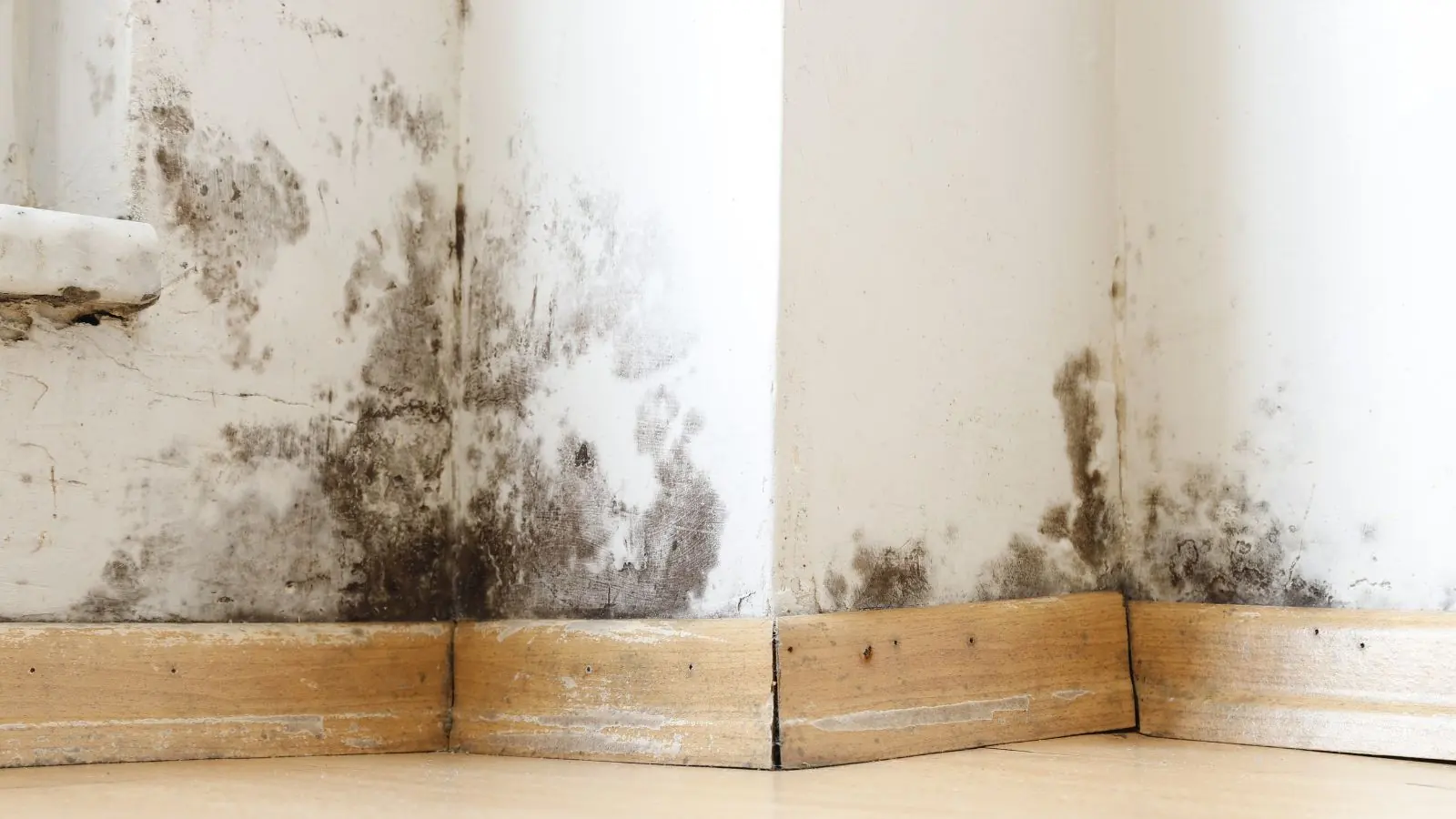
Removing mold from a basement in Evergreen, CO means treating each surface by its material, because concrete, lumber, carpet and drywall do not behave alike once they have been damp for a while. Hard, non-porous surfaces can usually be cleaned. Soft, absorbent ones are the usual candidates for removal. Walk the basement with that sorting rule in mind before you buy anything.
The sorting rule behind every decision
Mold feeds on moisture and on organic material, so the more absorbent the surface, the deeper it can get. EPA homeowner guidance puts the homeowner-sized job at roughly 10 square feet of surface growth, and it says larger or hidden growth calls for a professional. Everything below assumes you are inside that limit or are planning how a crew would treat the same materials.
Keep one eye on the clock as well. The same guidance says wet materials should be dried within about 1 to 2 days, since that window is when growth is easiest to prevent. Work that happens weeks after a leak starts with a much harder sorting job.
Concrete and masonry walls and floors
Poured concrete, block and brick are the easiest basement materials to deal with. They are hard and mostly non-porous, though unsealed block and old mortar can hold moisture inside the pores. Surface growth on these is typically scrubbed with detergent and water, rinsed with a damp cloth and then dried completely.
EPA homeowner guidance on cleaning is cautious about bleach, and it should not be your default. Never combine bleach with ammonia or other cleaners, and keep the room ventilated. If a slab or wall stays damp after cleaning, the work is not finished: that points to a seep, a grading fault or condensation that still needs fixing.
Wood framing, joists and sill plates
Dimensional lumber is sturdier than it looks. Framing with surface growth is often cleaned by a crew with HEPA vacuuming and wiping, then dried until a moisture meter shows readings back in a normal range. Lumber that is soft, crumbly or visibly decayed is a structural question, and a professional should look at it before you load weight onto it.
Sill plates, where framing meets the foundation, deserve special attention because they sit against cold concrete and collect condensation. Joists near a leaking supply line are the other usual trouble spot. Probe with a screwdriver: wood that resists is one thing, and wood that gives way is another.
Carpet, pad and stored boxes
Carpet and pad that have been wet for more than a day or two with visible growth are normally discarded. The pad acts like a sponge, and cleaning the surface fibers does not reach what is underneath. Cut the carpet into strips, bag it, and carry it out without dragging it through clean rooms.
Cardboard boxes and paper goods are in the same category. Photographs and documents are sometimes worth saving, and a restoration company can advise on drying and freezing options, but a damp cardboard box of old clothes usually is not. Move anything you want to keep to a dry room and sort it there.
Insulation and drywall
Fiberglass batts and foam board behind a damp wall are porous in practice, since they hold water and dirt in their fibers. Insulation with growth or sustained moisture is removed, and the same goes for drywall that has been wet long enough to show staining, swelling or fuzzy growth on either face. Cut the board out past the visible edge of damage, and check the cavity behind it with a moisture meter before closing anything up.
This is where the job crosses the line most often. A wall cavity opened by a homeowner without containment sends dust through the house, which is why crews seal off the work area, run negative air and filter it through HEPA air scrubbers. If your wall work looks like that, read about mold remediation before you pick up a utility knife.
Moisture source checklist
Go through these in order, and photograph anything you find before you change it.
Window wells
Clear debris from the drain, look for standing water, and check that the cover sheds rain and snowmelt away from the glass.
Sump pit and pump
Pour in a bucket of water to confirm the float lifts and the discharge line carries water well away from the house.
Supply and drain plumbing
Run a dry hand along pipe joints, valves and the water heater base, then look for rust, mineral crust or damp insulation.
Condensation
Check cold-water lines, ducts and rim joists for sweating, and compare against a hygrometer reading in the room.
Exterior grading
Stand outside after rain or a thaw and check that soil slopes away from the foundation and downspouts discharge clear of it.
Where the water comes from in the creek corridor
Bear Creek, Evergreen Lake and your basement
Bear Creek has flooded 24 times since the 1860s, and the July 24, 1896 flood, with rain centered on Cub Creek near Evergreen, did severe damage from Evergreen to the mouth of the creek. Most of those floods were summer thunderstorm floods. If your house sits in the creek corridor, a storm can push groundwater up through a slab long before any water appears at the surface, so check floor drains and wall-floor joints after heavy rain.
Evergreen Lake is the drinking water supply for the Evergreen and Kittredge area, and Evergreen Metropolitan District runs the water system. If a main break or boil water order affects your street, that is a case for asking the district about service status before assuming the water in your basement is yours.
When the flood is bigger than the mold
If water came in from outside, whether from a creek, a storm drain or a sewer backup, the order of work changes. Extraction, drying and sanitation come first, and mold removal waits until the structure is dry. That job falls under flood damage restoration, and it is a different process from handling a single stained wall.
Crews also reach canyon-bottom homes near Idledale, where the highway along the creek is the only route in, and basements in Morrison, where Mount Vernon Creek joins Bear Creek. Ask about access when you call.
Unsure what to cut and what to clean?
Describe the materials and the size of the damage, and we can help you sort it.
Frequently asked questions
Is it safe to leave mold on concrete if it is dry?
Dry growth on a hard surface is still growth, and it can return when moisture does. Clean it according to EPA homeowner guidance, dry the surface completely, and fix whatever made it wet. Any health questions about exposure belong with a physician.
Can I keep a moldy couch or mattress stored in my basement?
Soft furnishings with visible growth are generally discarded. Hard items such as plastic bins and metal shelving can be cleaned and dried. For valued items, ask a restoration company what is salvageable.
Do I need to wear anything special during cleanup?
For a small job, EPA homeowner guidance points to protective gear such as an N95 or better respirator, goggles and gloves. Larger or hidden growth is a job for trained crews working under containment.
Does living near Bear Creek change how I clean a basement?
It changes how you check for moisture. After storms, look at floor drains, slab cracks and wall bases for seepage, and treat flood or sewage water as a restoration job before any mold cleaning begins.