
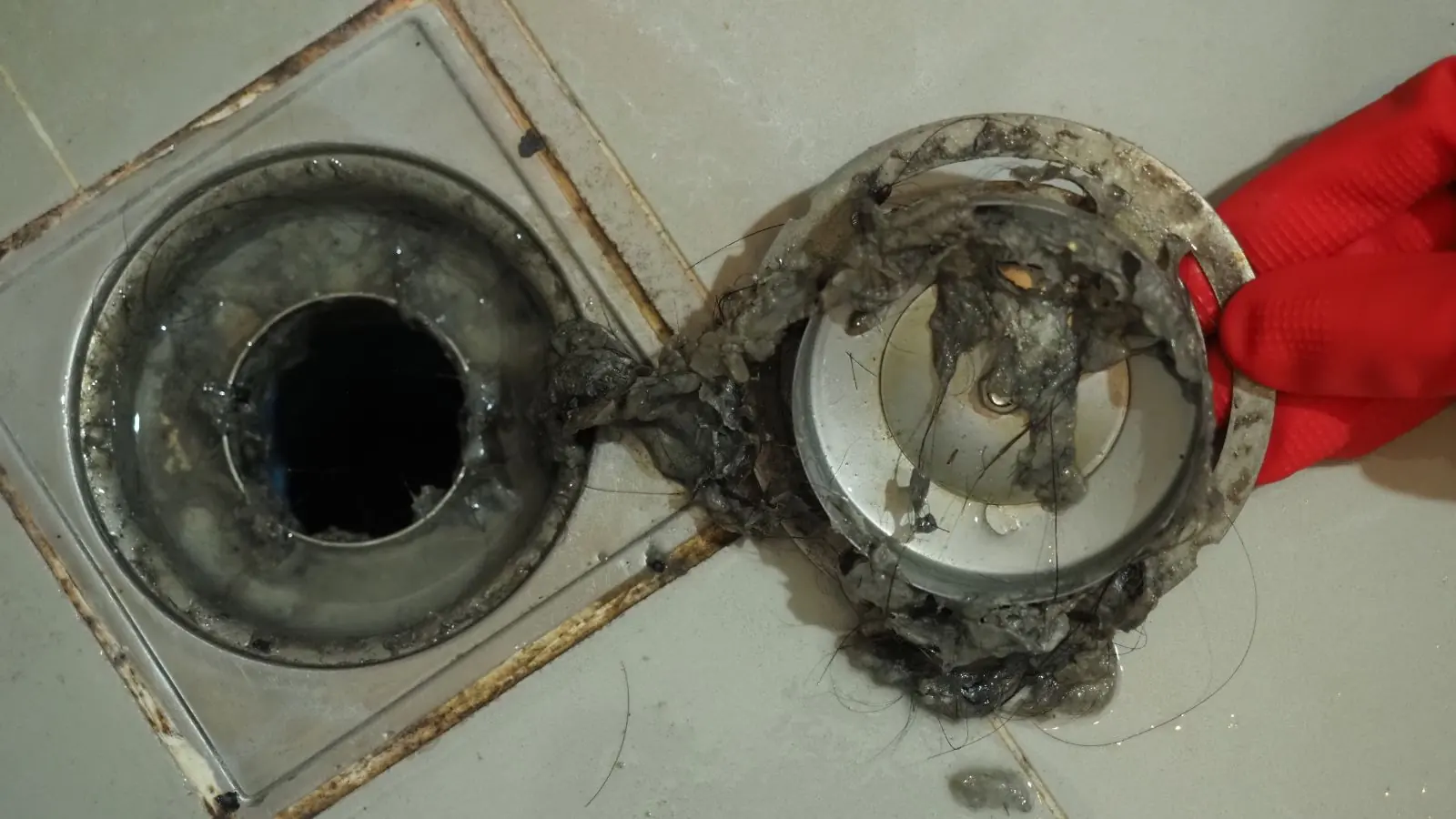
Sewage backup cleanup in Evergreen, CO deals with wastewater that has come up through a floor drain, toilet, tub or cleanout and spread across the floor. It is Category 3 water, the most contaminated class in the ANSI/IICRC S500 standard, so the job is containment and removal first, drying second. The dispatch line answers 24/7 because backups rarely pick a convenient hour.
Most backups start in the lowest part of the house. That is why basement floor drains and laundry tubs are usually the first places the water appears, and why a finished basement can turn into a contaminated room within minutes.
What a sewage backup looks like and what it means
The symptoms are easy to recognize, but the cause behind them is not. Water rising in a basement shower when a washer drains, gurgling toilets, and a sewer smell near the floor drain all point to a blockage somewhere downstream.
| What you notice | Likely meaning | First move |
|---|---|---|
| Gurgling toilet or tub | Partial blockage in the house line | Stop running water, call |
| Dirty water at a floor drain | Line blocked or main surcharging | Keep the room closed, call |
| Several fixtures backing up at once | Blockage low in the line or in the main | Call the sewer provider too |
| Wet yard and sewage smell outside | Failed septic component | Call a septic contractor and the county |
The pattern across fixtures is the most useful clue. One slow drain usually means a local clog, while every low fixture backing up at once suggests the problem sits farther down the line.
Who to call: the main, your lateral or your septic
The water leaving your house travels through a lateral, the private pipe between the building and the main. Ownership of the lateral varies by utility, so ask your provider where its responsibility ends and yours begins at the property line. A cleanup crew can clean up what came into your house, but it cannot clear a municipal main, so the first phone call may need to go to the utility as well.
In Evergreen, wastewater service comes from the Evergreen Metropolitan District. The district says it runs one wastewater treatment plant, three wastewater pump stations and about 300 miles of wastewater collection pipe. If your neighbors are also backing up, tell the district at once, because a main problem affects the whole street and the fix is theirs.
In Golden, the City of Golden provides water and sewer, and its Utilities Division responds to water and sewer emergencies 24/7. Ask for the city utilities emergency line if the backup looks like a main problem. For a home on a private lateral, a licensed plumber or drain contractor clears the line, and then the cleanup crew works the contaminated area.
Septic systems in the foothills
Plenty of mountain properties near Evergreen and Conifer are not on a sewer main at all. They use an onsite wastewater treatment system, often called OWTS or a septic system, with a tank and a drain field. Septic systems in unincorporated Jefferson County are regulated by Jefferson County Public Health, so that is the office to ask about inspections and repairs.
A septic backup usually has a different pattern: slow drains in the whole house, sewage smell in the yard, and soggy ground over the drain field. Heavy snowmelt and saturated soil can slow a drain field, and a full tank can push wastewater back into the lowest fixture. A septic contractor handles the tank and field. The cleanup crew handles what entered the building.
Sewage backup safety
- Keep children, pets and anyone with an open cut out of the room.
- Stop using sinks, tubs, washers and toilets so no more wastewater is pushed into the line.
- Do not touch wet outlets or run a shop vacuum in the room. Shut off power to the area only if the panel is dry and you can reach it safely.
- CDC advises rubber boots, rubber gloves and goggles for anyone who must enter contaminated water, and handwashing afterward, including children's hands before meals.
- Do not mop, bleach or scrub as a fix. That spreads contamination and hides what the crew needs to see.
How the cleanup is done
A sewage job is built around containment. The crew seals off the room with plastic sheeting, sets up negative air with a HEPA air scrubber when the layout allows, and wears protective suits, gloves, boots and respirators.
- Extraction. Pumps and extraction units pull standing wastewater out, and the liquid goes into a container, not a household drain.
- Removal of porous materials. Carpet, pad, insulation, soft drywall and cardboard that touched sewage are cut out and bagged, not dried and kept.
- Cleaning. Hard surfaces are washed, then treated with an antimicrobial product that is applied to the label directions.
- Drying. Air movers and LGR dehumidifiers go in, and moisture meters and a thermal imaging camera confirm that framing and slab are dry.
- Deodorizing. Odor control comes last, because the source has to be gone before it works.
Concrete and sealed masonry can usually be washed and kept. Unsealed wood framing is a judgment call that depends on how long it sat wet, so ask how the crew will document the decision.
Why Category 3 water cannot just be dried
Clean water from a supply line can often be dried in place. Sewage cannot, because the contamination soaks into porous materials and drying only removes the water, not the bacteria. That is why the same carpet that would be saved after a supply line leak goes to the dumpster after a backup.
The EPA's flood cleanup guidance adds a second reason to move quickly: mold can grow on wet wood, drywall, carpet and furniture if they stay wet more than 24 hours. A sewage loss that sits over a weekend carries both problems at once. If the job also touches finished surfaces, the flood damage restoration page covers the creek and storm side of Category 3 water, and the rebuild afterward follows the same drying records.
What changes the cost
Nobody can name a fair number without seeing the room, but the factors are predictable.
- How far the sewage spread and how many rooms or floors it reached.
- How long it sat before containment started.
- Whether carpet, pad, insulation and drywall need to be removed.
- The amount of drying equipment and the number of drying days.
- Whether a plumber or septic contractor must clear the cause first.
Want your real number? Describe the backup to dispatch, and the scope is explained before work starts.
Sewage backup and your insurance
Standard homeowners policies often exclude sewer or drain backup unless an endorsement was added, so check your policy for that exact wording. Sudden and accidental plumbing losses are often covered, while neglected lines and gradual seepage often are not. Ask your insurer what it needs, photograph the damage before anything is removed, and keep receipts for emergency costs. The crew documents the water category and the materials removed, but no one here can promise what a carrier will approve.
Mistakes that make a backup worse
The common errors are the well-meant ones. People run the washer to flush the line, shop-vac the water, or leave wet carpet in place hoping it will dry. Each one spreads contamination or lets bacteria settle deeper.
Another mistake is treating a lateral problem as the utility's job, or the reverse. A short call to the district or city can tell you whether the main is involved, and a drain camera inspection from a plumber shows the lateral. Once the cause is fixed, the water damage cleanup work of sanitizing and deodorizing can be finished, and nearby areas such as Golden and Conifer follow the same rule of fixing the source before cleanup.
Sewage in the house?
Call the 24/7 line, keep the room closed and stay out of the water.
Frequently asked questions
Is emergency sewage backup cleanup available in Evergreen, CO?
Yes. Calls are taken day and night, holidays included, and same-day response is offered when available. The dispatcher asks where the water is coming from, how far it has spread and whether any fixture is still running, then explains what to leave alone.
Who fixes the problem if the backup comes from the street main?
The sewer provider does. In Evergreen that is the Evergreen Metropolitan District, and in Golden it is the city utilities department. A cleanup crew handles the contaminated area inside your home, but it cannot clear a public main.
Can I clean up a small sewage backup myself?
Small, hard-surface spills are sometimes handled by homeowners, but the protective gear matters. CDC advises rubber boots, rubber gloves and goggles around contaminated water. If it reached carpet, drywall or insulation, or covered more than a small area, call a crew.
Why does the carpet have to be thrown away?
Carpet and pad are porous, so sewage soaks in and cannot be fully cleaned. Drying removes water but not contamination, which is why Category 3 loss usually means removal and replacement.
What if my house is on septic and the yard is wet?
Call a septic contractor for the tank and drain field, and ask Jefferson County Public Health about regulations for septic systems in unincorporated areas. The cleanup crew then handles whatever sewage entered the building.
How long before mold can start after a sewage backup?
EPA flood guidance says mold can grow on wet drywall, wood and carpet after about 24 hours, so quick removal and drying matter. For persistent moisture, see mold remediation and ask whether your state licenses mold work.