
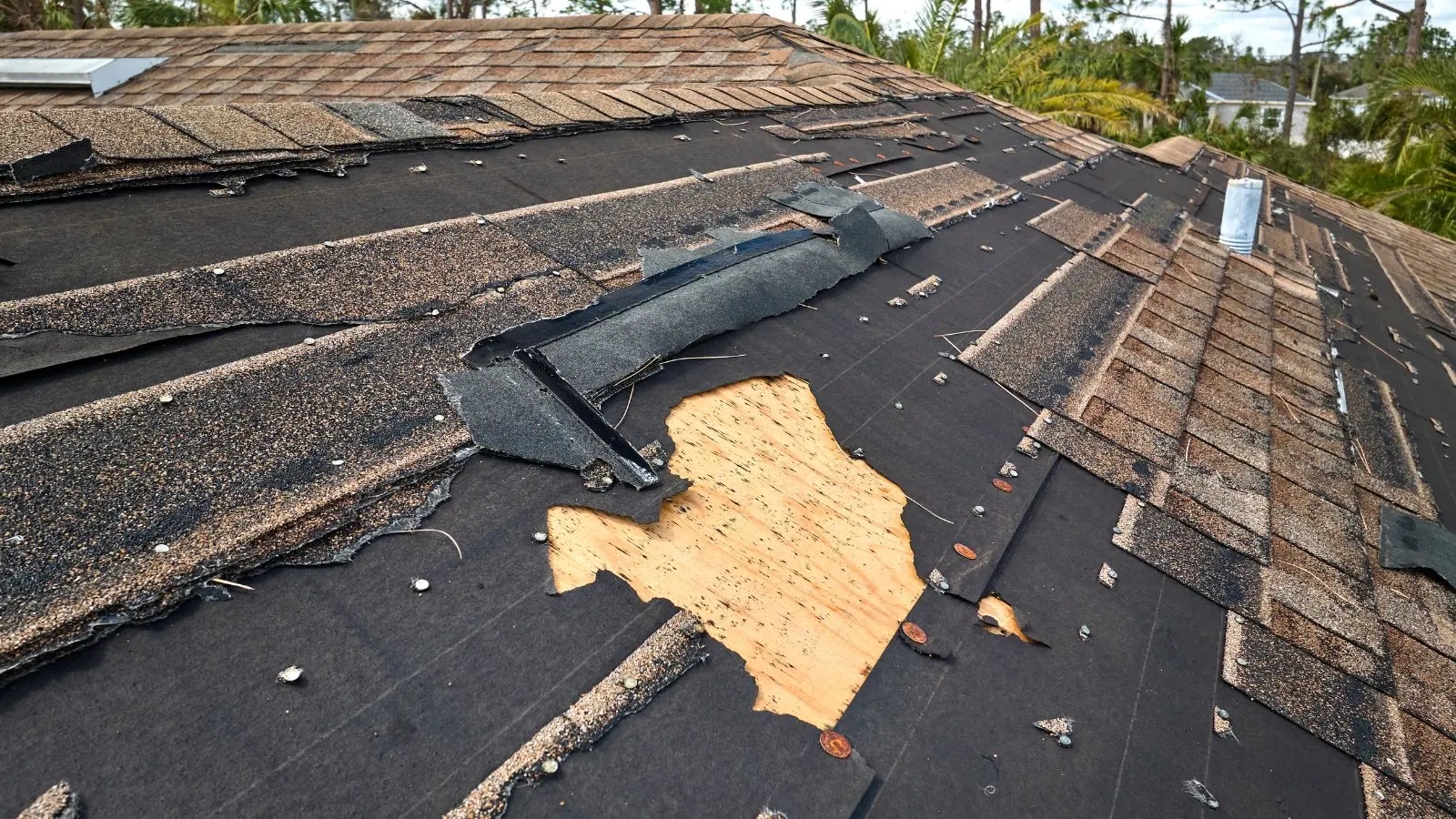
Storm water damage cleanup in Evergreen, CO covers the wet interiors left behind when a thunderstorm drives rain or hail through a roof, a window, a wall or a foundation joint. The water came from the sky or from runoff along the ground, not from a creek that left its banks. The work is extraction, moisture mapping and drying, and the line answers 24/7 because storms rarely wait for office hours.
If a storm leak is still active, read the safety steps below, then call.
How storms put water inside a foothill house
The Mile High Flood District, in its history of the Bear Creek basin, notes that most floods there have been summer thunderstorm floods. The same storms cause plenty of damage long before a creek rises. A cell can sit over one slope, drop rain at a rate gutters cannot carry and push it sideways at siding and windows.
Common ways storm water gets in:
- Wind-driven rain. Water is forced under siding, around window frames and through gaps in deck-to-wall flashing that stay dry in ordinary weather.
- Hail. Impact cracks shingles, dents flashing and can crack skylights, so water follows the next rain.
- Clogged gutters and downspouts. Overflow runs down the wall and soaks the rim joist and basement wall.
- Runoff against the foundation. Water pools where the ground slopes toward the house, then seeps through the wall or a window well.
- Debris-blocked drains. Needles, hail and sediment close off a window well or area drain.
EPA homeowner guidance on moisture says the ground should slope away from the house, and that missing gutters or water flowing toward the walls can cause basement water. After a storm, that is worth checking from the outside before the next one.
Storm water or flood water: where the line falls
The cause decides the process. Rain that enters through the envelope of the house, such as a roof or a window, is usually treated as clean or lightly dirty water and dried in place. Water that rose from outside and moved across the ground into the house picks up soil and contamination, and it is handled as Category 3 under the ANSI/IICRC S500 standard.
| What happened | How it is usually treated | Where to go |
|---|---|---|
| Rain blown through a window or wall | Dry in place, remove only soaked porous material | This page |
| Hail breaks a roof and rain follows | Interior drying below the roof opening | This page, with a roofer for the roof |
| Gutters overflow and wet a basement wall | Extraction and drying, with the category checked | This page |
| Runoff flows across the ground and into rooms | Contaminated water, with removal of porous materials | Flood damage restoration |
| Creek rises into the house | Category 3 flood loss | Flood damage restoration |
A storm loss becomes a flood loss when ground water moves into the house carrying silt and debris. If you cannot tell which one you have, say so on the call. The crew will check the water and the category on arrival.
Storm water safety
- Stay off any room where water is near outlets, a panel or a furnace. Switch off power to the area only if the panel is dry and you can reach it without stepping in water.
- Do not walk through water that came across the yard. Treat it as contaminated.
- Keep clear of ceilings that bulge or sag, and avoid rooms under a damaged roof until it is checked.
- Never drive into water across a road. Roads in canyons can close during storms.
- Photograph the damage and the outside of the house before you tarp, sweep or move anything.
- Use buckets for drips and plastic for furniture, and leave drying decisions for the crew.
What the June 2026 storm showed
In June 2026 a Wednesday-night storm hit Evergreen. The National Weather Service reported up to 3.5 inches around Evergreen, and the Jefferson County Sheriff's Office cited about 6 inches of rain. Bear Creek jumped from roughly 6 cubic feet per second to nearly 1,900.
Water from Troublesome Gulch entered homes that night and mud reached downtown Evergreen, so the damage was not limited to the creek bank. After any heavy storm, photograph every wet room and the outside of the house before cleaning starts, because a storm leak inside a wall is the kind that grows quietly into mold.
How the cleanup runs
The first visit is about finding every wet place.
Entry points
The crew looks for where the water entered so you can tell a roofer or window contractor.
Extraction
Pumps and extraction units remove standing water from floors, carpet and pad.
Moisture mapping
A moisture meter and a thermal imaging camera show wet drywall, insulation and subfloor.
Removal
Soaked insulation, carpet pad and ceiling board that cannot dry are cut out.
Drying
Air movers and LGR dehumidifiers run, and readings are logged until the framing matches the dry reference. See emergency water removal for the first extraction step and water mitigation for how the first days are managed.
Where storm runoff meets mountain terrain
The Jefferson County plan for the Conifer and US-285 area flags floodplains with "Climb to Safety" signs. In Morrison, where Mount Vernon Creek joins Bear Creek, the county Hazard Plan counts 60 buildings in the 1% annual chance floodplain, about 32% of the town's buildings. Check your address on FEMA's Flood Map Service Center and ask your insurer about flood coverage before storm season.
In Idledale, a 1933 cloudburst near the town sent flash flooding down Sawmill Gulch and Vernon Creek. Canyon homes see storm water arrive fast, so keep an exit route in mind.
What changes the cost
A fair price depends on what the storm actually touched. The factors:
- How much water entered and how long it sat.
- Whether the water was clean, lightly dirty or contaminated.
- Which materials got wet: carpet, hardwood, insulation, drywall.
- How many rooms and floors were affected.
- Drying days and equipment needed.
- Any rebuild afterward.
Want your real number? Call (303) 952-8295 and describe the storm and the rooms.
Storm damage and insurance
Rain entering through a storm-damaged roof or window is often covered under a homeowners policy, since the damage was sudden. Hail damage may fall under a separate deductible, so ask your insurer. Flood damage from runoff or a creek is usually excluded and needs a separate flood policy. Seepage over time is often treated as a maintenance issue. Check your policy, call your insurer promptly, and keep photos of both the exterior and the interior. We cannot promise any approval.
Mistakes after a storm
- Pumping a basement down all at once. Saturated soil can push on a wall that is no longer balanced by water inside.
- Leaving wet carpet down because the sun came out.
- Tarping over wet shingles without photographs.
- Skipping the outside check of gutters and grading, so the next storm repeats the problem.
Storm water inside the house?
Dispatch answers 24/7 and tells you what to photograph and keep clear of.
Frequently asked questions
Is emergency storm water damage cleanup available in Evergreen, CO?
Yes. The line is answered 24/7, including nights during storm season. Same-day response is offered when available, and the dispatcher asks about road conditions and utilities before a crew is sent.
How do I tell storm water from flood water?
Look at the path. Water that came through the roof, a window or a wall is storm intrusion. Water that crossed the ground or rose from a creek is a flood loss and carries contamination.
Does hail damage the inside of the house?
Not directly, but broken shingles and cracked skylights let rain in during the next storm. A ceiling stain after hail is a reason to check the attic.
Can window leaks after wind-driven rain be dried in place?
Often yes. The crew checks the wall cavity with a moisture meter and removes only what cannot dry.
Should I wait for the insurance adjuster before cleaning?
Photograph first and call your insurer promptly, but do not leave wet materials sitting. Ask your insurer what it needs, since prompt drying limits further damage.